Tips for Interpreters Before Entering the Booth

Tips for Interpreters Before Entering the Booth
Many people think of a simultaneous interpreter as someone who simply “speaks two languages well” and delivers instant translations. In reality, working inside an interpreter booth requires far more preparation, precision, and focus. It’s an intense job that demands both mental and physical readiness. Here are some key tips professional interpreters follow before stepping into the booth.
1. Study the content in advance
Preparation starts long before the event. Interpreters review the agenda, key topics, and background materials. They also research names, technical terms, and cultural references. The more familiar they are with the content, the smoother and more accurate the interpretation will be.
2. Build a glossary of terms
Professional interpreters prepare a glossary with specialized vocabulary relevant to the event, such as business jargon, legal terms, or technical phrases. Having this at hand helps reduce hesitation and ensures consistency in the target language.
3. Take care of health and focus
Simultaneous interpreting consumes an enormous amount of brain energy. Proper sleep, hydration, and light vocal warm-ups are essential. A healthy body and calm mind allow interpreters to stay sharp and deliver smoothly under pressure.
4. Work as a team
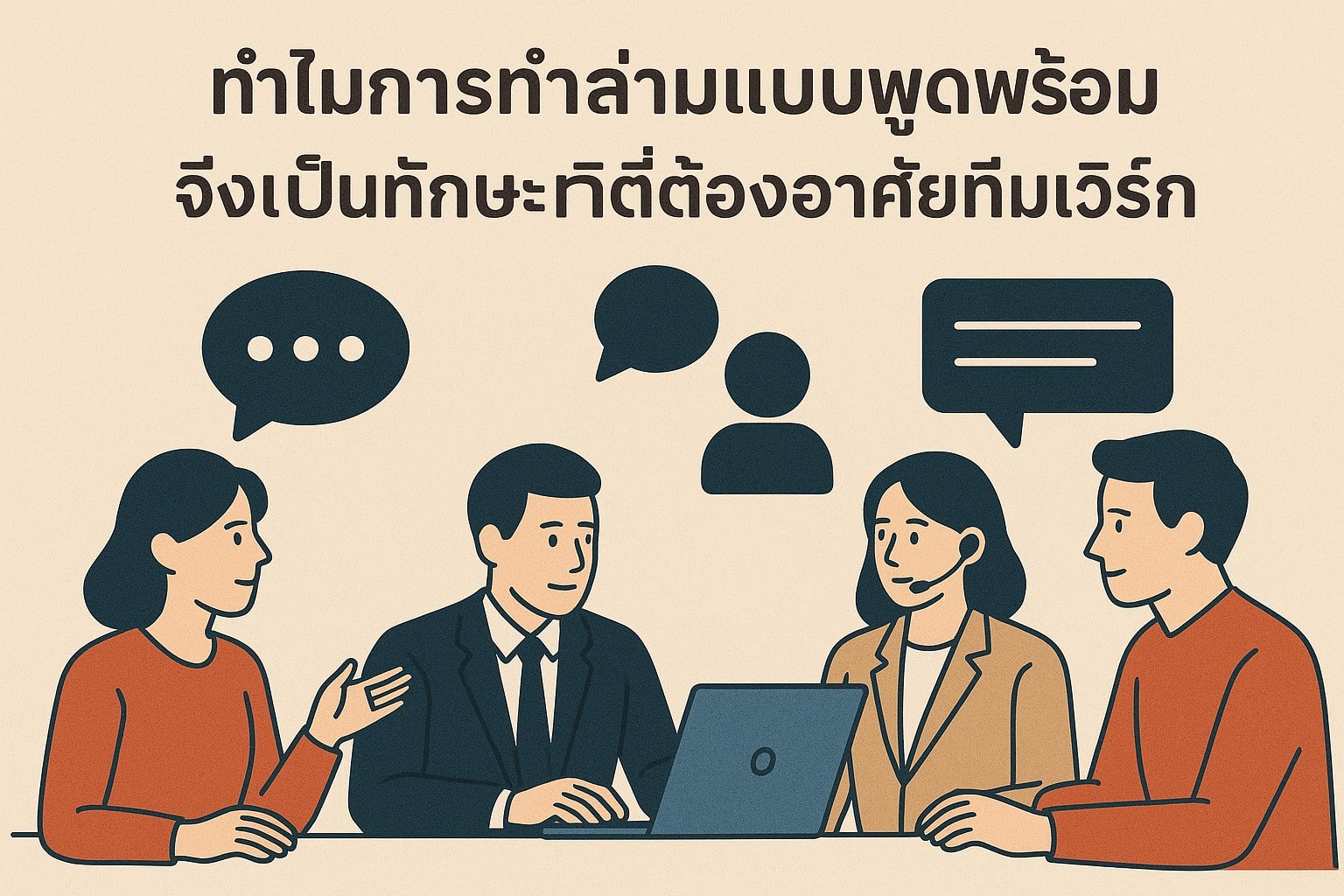
Booth interpreting is rarely a solo task. Normally, at least two interpreters share one language pair, taking turns every 15–30 minutes. A short pre-event discussion to coordinate timing, hand signals, and support strategies ensures seamless teamwork.
5. Check the equipment
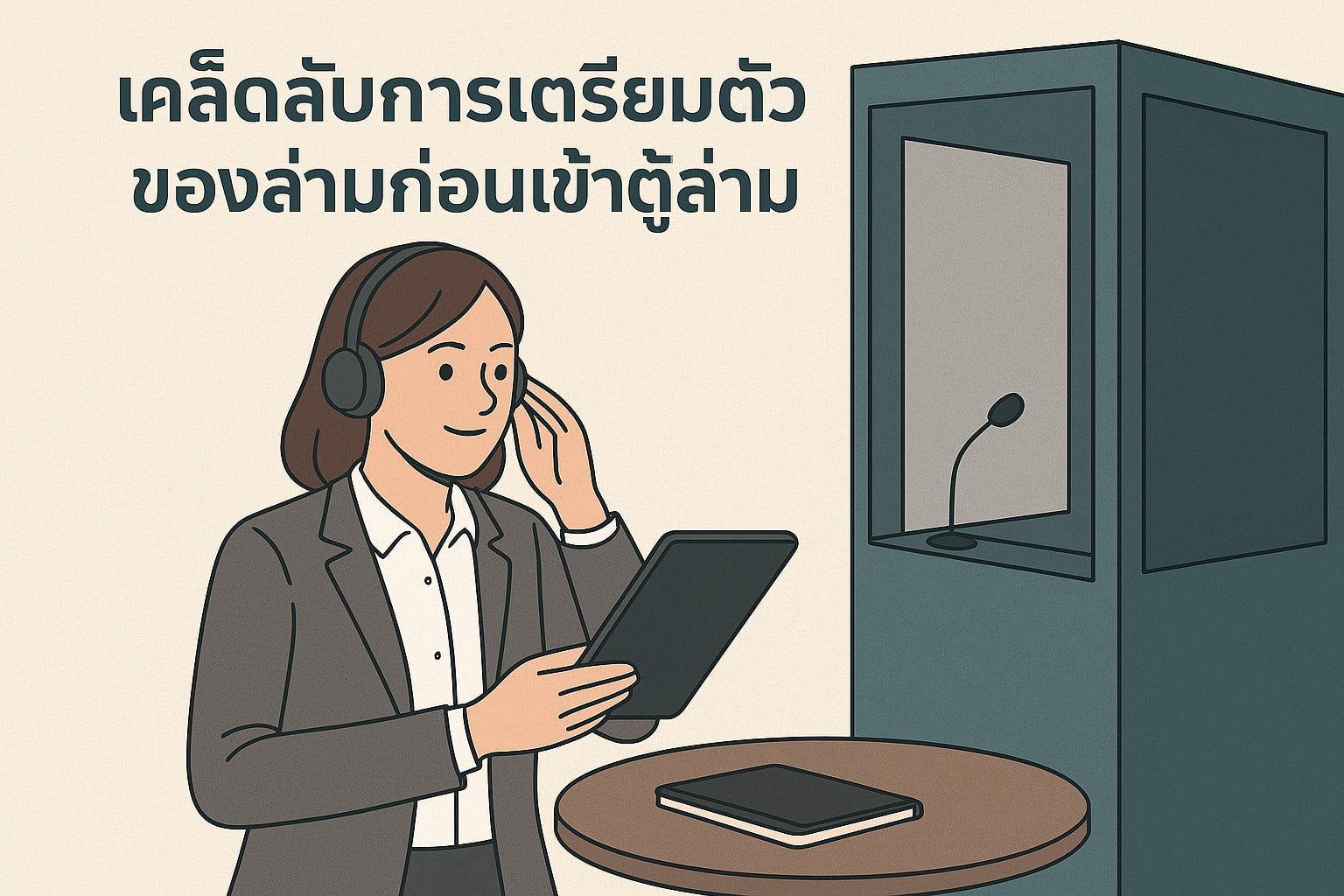
Before the event begins, interpreters test the booth setup—headphones, microphones, and audio transmission—with the technical crew. Identifying and resolving any issues early prevents disruptions during live interpreting.
Conclusion
Preparation for the booth goes far beyond memorizing vocabulary. It’s about combining knowledge, teamwork, physical readiness, and technical awareness. When interpreters prepare thoroughly, participants experience clear, accurate, and professional communication that makes the entire event run smoothly.